In strength training, nutrition is vital for enhancing performance and reaching goals. A significant focus area is protein timing, which refers to when protein is consumed relative to workouts. This topic captivates athletes, fitness enthusiasts, and researchers. In this blog post, we’ll explore the importance of protein timing in strength training and its effects on muscle growth, recovery, and overall outcomes.
Pre-Workout Protein:

Eating protein before a strength training session is crucial to prepare the body and supply the necessary amino acids for muscle repair and growth. Try to have a protein-rich meal or snack about 1-2 hours before your workout. This timing allows for a steady release of amino acids during your session, fostering an anabolic environment in the muscles.
I prefer morning workouts, starting with a vegan protein bar before hitting the gym. The evening prior, I enjoy a bowl of oatmeal mixed with muesli, oatmilk and sweetned with Sukrin Gold – a sugar alternative. It’s delicious and packed with nutrients and fiber, helping my muscles prepare for exercise overnight.
An afternoon workout is also beneficial, and in preparation, I like to fuel my body with a substantial meal rich in protein. This helps ensure that I have the necessary energy and nutrients to effectively tackle the weights and optimize my performance during the session.
Intra-Workout Protein:

While pre- and post-workout nutrition often receives most of the attention, intra-workout protein is equally important. Many athletes choose to supplement with branched-chain amino acids (BCAAs) or essential amino acids (EAAs) during their workouts to support muscle protein synthesis and prevent muscle breakdown. However, recent research indicates that consuming a complete protein source like whey protein during workouts might offer added benefits for maximizing muscle protein synthesis.
The challenge I face is my allergy to dairy and milk protein. To address this, I opt for vegan protein bars along with EAA amino acid supplements. This combination proves to be equally effective as using a protein powder that contains Whey, which is a milk protein.
Throughout the training season, I rely on two half-liter bottles for my hydration needs. One of these bottles contains a beverage made with instant coffee, two teaspoons of sugar, and a dash of oat milk to create a smooth, energizing drink. The other bottle is prepared with an EAA-amino acid supplement, which is essential for muscle recovery and endurance. It also includes my daily dose of creatine and is topped up with water, ensuring I remain hydrated and fueled during my workouts.
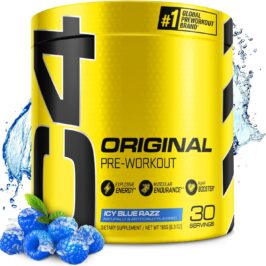
Recently, I switched to using the C4 Pre-Workout supplement instead of my usual coffee drink, and it has been a game changer. This supplement provides an incredible boost of energy and significantly enhances my endurance during weightlifting sessions. If you’ve been exercising for some time and are looking to elevate your performance, trying C4 Pre-Workout might be a great option for you to consider.
By incorporating the hydration method described above, I ensure that essential amino acids and sugars are readily available in the bloodstream, providing vital support to the muscles as they undergo training. This approach not only facilitates the optimal performance of the muscles but also serves as an efficient strategy to enhance the recovery process that begins almost immediately after the session concludes.
Post-Workout Protein:

The post-workout protein is also very important for optimal muscle-building. Consuming protein within 1-2 hours after a strength training session can optimize the recovery process, repair muscle fibers, and boost muscle protein synthesis. I recommend meat like minced chicken meat as an excellent post-workout protein source. A dish made with 500 grams of minced chicken, 1 deciliter of rice, 2 deciliters of water, pineapple, curry, salt, and pepper is both flavorful and satisfying. Simply combine everything in a pot or microwave rice cooker or a pot on the stove for a delicious, protein-rich meal ready in about 20 minutes. Plus, it’s cost-effective and easy to prepare.
Another great protein-packed choice is to make a minced beef patty in the toaster or on the frying pan. It’s incredibly simple, providing high-quality protein with a complete amino acid profile. This is one of my favorites, especially when I grab minced beef patties on sale at the supermarket.
Bedtime Protein:
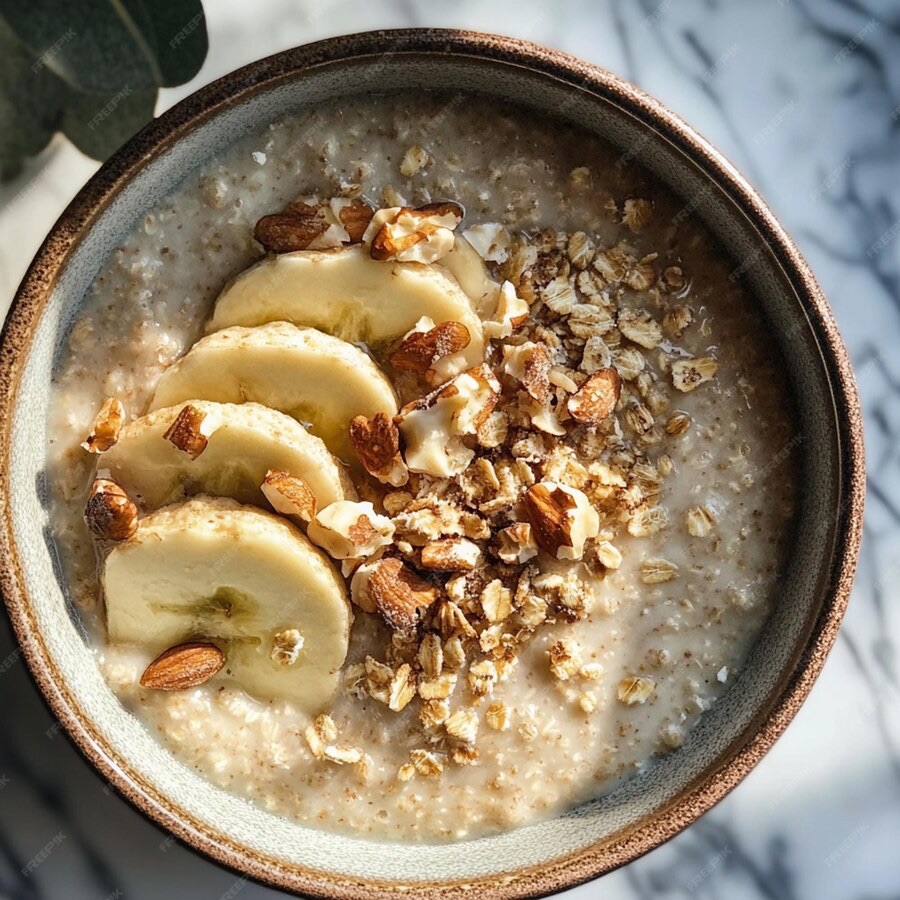
Another growing area of interest in the field of nutrition and fitness is the concept of bedtime protein consumption. Recent research has highlighted that consuming a slow-digesting protein source, such as casein, before going to sleep can significantly enhance muscle protein synthesis throughout the night and aid in better recovery. This approach can be especially advantageous for individuals who participate in rigorous strength training programs, as it ensures a steady supply of amino acids to the muscles, supporting repair and growth during the body’s natural rest period.
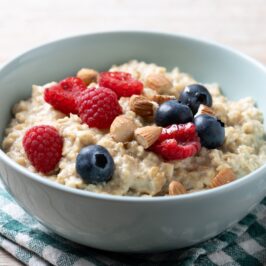
To achieve this goal, I consistently use and highly recommend a delicious bowl of oatmeal just as outlined in the detailed instructions provided in this article.
Total Daily Protein Intake:
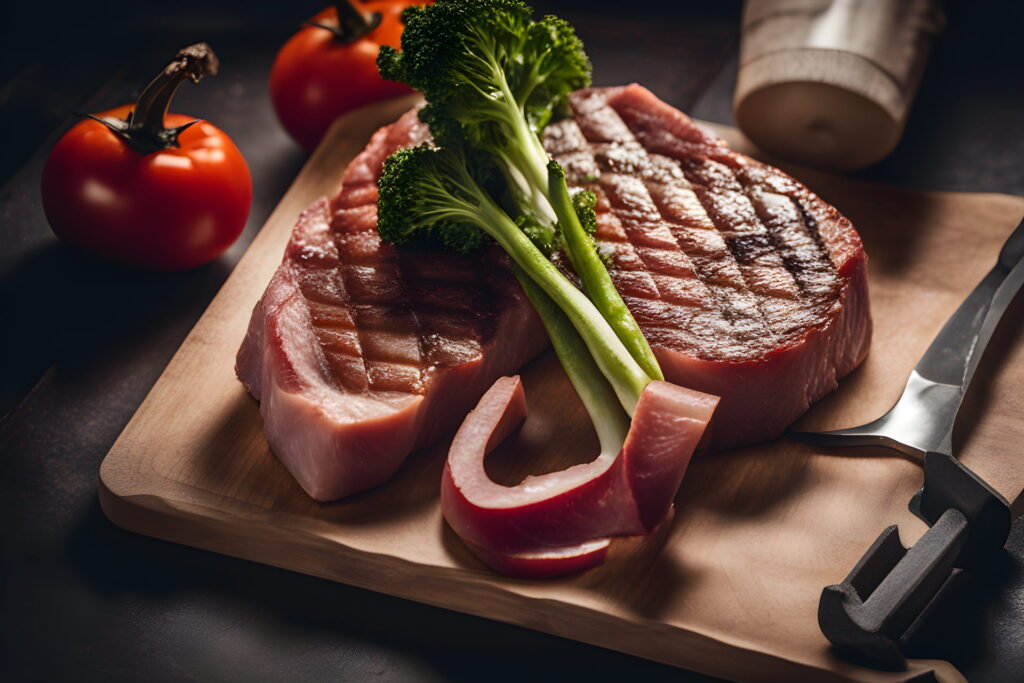
While the timing of protein intake plays a significant role, it is just as crucial to ensure that you are meeting your daily protein needs. It’s important to consume a sufficient quantity of protein distributed evenly throughout the day to maximize muscle protein synthesis and sustain a positive nitrogen balance. Strive for a daily protein intake ranging from 1.6 to 2.2 grams per kilogram of your body weight. The exact amount may vary based on your personal objectives and the intensity of your training regimen.
Take-away
Incorporating effective protein timing into your strength training regimen can greatly influence your muscle growth, recovery, and overall athletic performance. By strategically consuming protein before, during, and after your workouts, and also considering protein intake before bedtime, you can boost muscle protein synthesis, minimize muscle breakdown, and foster optimal recovery. It’s important to consult with a nutritionist or dietitian to customize your protein consumption to align with your individual needs and fitness objectives. Nourish your body properly, and optimize your strength training results.